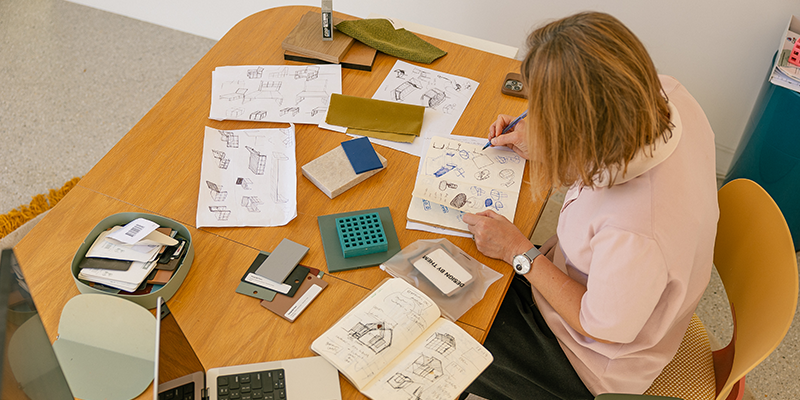
A unique design helps your product stand out in a crowded market. Without the right protection, your product's distinctive features could be copied or diluted – just as your business starts to grow. Design rights protect distinctive features and can give designers the confidence to innovate, invest and take their ideas to market.
What's a design right?
A design right is a registered intellectual property (IP) right that protects the overall visual appearance of new and distinctive products. This includes features such as its shape, configuration, ornamentation or colour.
Design rights apply to tangible products, whether manufactured or handmade, provided they are produced on a commercial scale. Well‑known products with Australian design protection include the Zimmermann dress, Dyson vacuum and Apple's AirPod case.
Design rights protect how a product looks – not how it works or how it's branded. Depending on your product, you may need the protection of other IP rights such as patents or trade marks.
Why design rights matter
Registering your design gives you the exclusive right to use it in Australia and authorise others to do so. This makes a design right a valuable business asset that can be licensed, sold, or used to gain overseas protection as you grow.
Did you know that in design-intensive industries, design rights are linked to higher productivity, R&D spend and exports? (Australian IP Report 2026)
Registered designs are published on a public database, signalling ownership and helping deter imitators. Before applying, it's a good idea to do an online search for similar designs and check IP databases to see what's already registered to strengthen your application.
In Australia, a registered design has an initial protection period of 5 years, and can be renewed for a further 5 years. Registering a design takes at least 2 months and costs a minimum of $200.
Certifying your design is an optional second step, but necessary if you want to legally enforce your design right. You don't need to certify straight away – some designers choose to wait, while continuing to invest in their business growth.
Our step-by-step guide provides more detail: How to apply for a design right.
How an Australian small business uses design rights to take down copycats
When Australian furniture brand Design By Them develops new products for its growing global collection, it prioritises design right registration to safeguard each piece's unique form and identity.
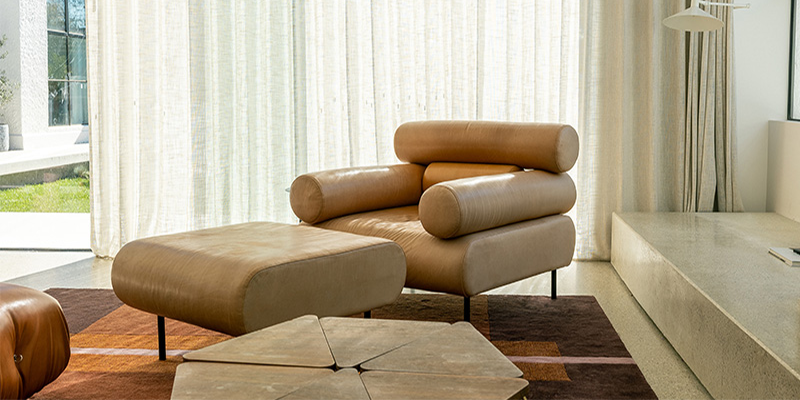
'It's nice to know that everything we have designed has at least been design registered. I think there's only been a handful that couldn't be. The strategy of us doing our own registrations means that we can just do it, and not worry about the money. It allows us to do more and not be as hesitant. We use it all the time for takedowns – we have a lot of products on the internet that copy us.' Sarah Gibson, Design By Them
Why protecting your design early matters
Publicly disclosing a design, including on social media, before applying for a design right, can make it harder to secure protection. If you must share sensitive information with others, consider using a non-disclosure agreement (NDA), which is a legal contract that maintains confidentiality.
Tip: Keep your design secret until you've applied, to give it the best chance of protection.
More information
IP Australia helps designers understand their options and make informed decisions about protecting their ideas. If design is central to your business, understanding design rights can help you grow with confidence and stay ahead.
Find out more about design rights or download our factsheet: